
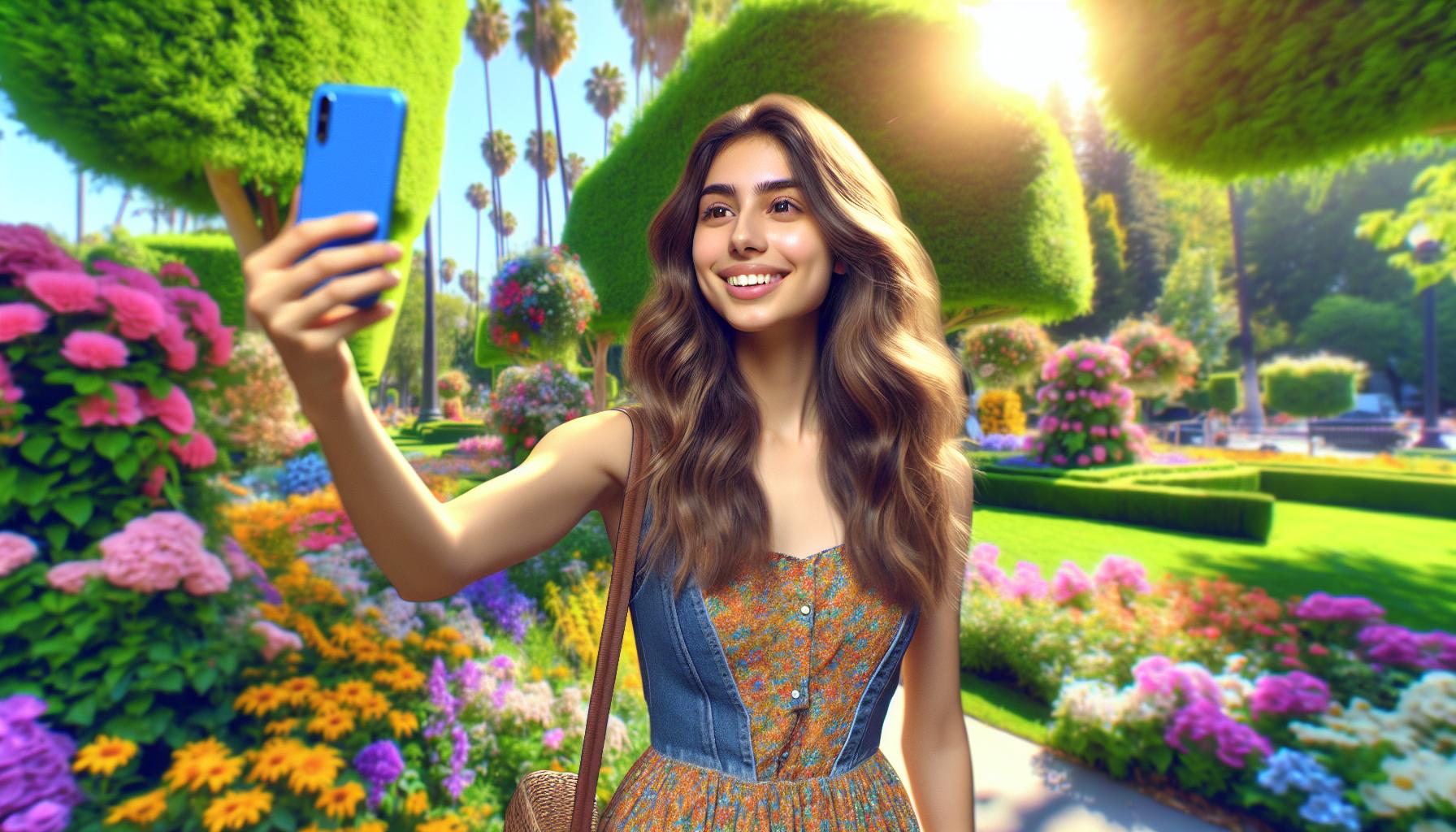
We live in a visual world where compelling photos can make or break your social media presence. In today’s digital landscape engaging images have become essential for capturing attention and building meaningful connections with your audience.
Our research shows that posts with high-quality images receive up to 94% more views than those without visuals. Whether you’re managing a business account or building your personal brand creating scroll-stopping photos has never been more crucial. We’ll explore the key elements that transform ordinary pictures into powerful social media assets that drive engagement and help you stand out in crowded feeds.
Why High-Quality Photos Matter on Social Media
High-quality photos create 93% more engagement on social media platforms like Instagram Facebook Twitter compared to standard images. Professional-grade visuals establish credibility strengthen brand recognition enhance audience retention.
Here’s how premium photos impact social media performance:
- Capture Immediate Attention: Users scroll through 300 feet of social media content daily stopping only for visually appealing posts
- Drive Higher Engagement: Posts with high-resolution images receive 2.3x more engagement including likes shares comments
- Boost Brand Recognition: Consistent high-quality visuals increase brand recall by 80% among social media followers
- Improve Click-Through Rates: Links with premium images generate 47% higher click-through rates than those with low-quality photos
- Enhance Content Shareability: Professional photos are shared 40x more frequently than basic snapshots
Current photography trends demonstrate the growing importance of image quality:
| Platform | Image Quality Impact |
|---|---|
| 65% higher reach | |
| 87% more interactions | |
| 98% better profile views | |
| 150% more retweets | |
| 200% increased saves |
- Technical Excellence: Sharp focus proper exposure balanced composition
- Visual Consistency: Cohesive color schemes matching filters unified aesthetics
- Strategic Storytelling: Purposeful framing meaningful details relevant contexts
- Platform Optimization: Correct sizing aspect ratios resolution requirements
Essential Equipment for Social Media Photography

Professional social media photography requires a precise combination of tools to capture high-quality images. Here’s the essential equipment for creating compelling visual content across platforms.
Smartphone Camera Tips
Modern smartphones pack powerful cameras capable of producing social media-ready images. Here are key optimizations:
- Enable HDR mode for balanced exposure in high-contrast scenes
- Use grid lines for accurate composition alignment
- Activate burst mode to capture fast-moving subjects
- Install third-party camera apps for manual controls
- Add lens attachments for wide-angle or macro shots
- Clean the camera lens before every shoot
- Utilize a smartphone gimbal for stable footage
Professional Camera Setup
A DSLR or mirrorless camera system elevates social media content with superior image quality:
Camera Body & Lenses:
- Full-frame or crop-sensor camera with WiFi connectivity
- 24-70mm versatile zoom lens for general photography
- 50mm f/1.8 prime lens for portraits
- Wide-angle lens (16-35mm) for landscapes
- Tripod for stable shots
- External flash unit
- Memory cards (32GB minimum)
- Spare batteries
- Lens cleaning kit
- Portable LED light panel
- Camera bag for protection
| Equipment Type | Minimum Specifications |
|---|---|
| Camera Resolution | 24 megapixels |
| Storage Capacity | 64GB total |
| Battery Life | 400 shots per charge |
| Memory Card Speed | Class 10 or UHS-I |
Lighting Techniques for Social Media Photos

Lighting forms the foundation of compelling social media photos, directly impacting image quality and engagement rates. Professional lighting techniques transform ordinary photos into scroll-stopping content that generates 3x more engagement on social platforms.
Natural Light vs. Artificial Light
Natural light creates authentic photos that resonate with social media audiences, offering soft, balanced illumination. Direct sunlight produces sharp shadows and high contrast, while diffused daylight through windows or on overcast days provides even lighting ideal for portraits and product shots. Artificial lighting equipment like ring lights, softboxes or LED panels offers consistent illumination in any setting, with adjustable color temperatures between 3200K-5600K for precise control.
| Light Source | Best Use Cases | Key Benefits |
|---|---|---|
| Natural Light | Outdoor portraits, lifestyle content | Free, authentic look |
| Window Light | Indoor portraits, flat lays | Soft, directional light |
| Ring Light | Selfies, video content | Even facial illumination |
| Softboxes | Product photography, studio shots | Controlled, diffused light |
Best Times to Shoot
Social media photos captured during golden hour (1 hour after sunrise or before sunset) produce warm, flattering light with soft shadows. Blue hour, occurring 20-30 minutes before sunrise and after sunset, creates cool tones perfect for urban and architectural photography. For indoor shoots, mid-morning light between 10 AM-11 AM provides bright indirect illumination through windows, while avoiding harsh midday shadows between 12 PM-2 PM maintains consistent exposure across photography sessions.
| Time of Day | Light Quality | Ideal Content Type |
|---|---|---|
| Golden Hour | Warm, soft | Portraits, landscapes |
| Blue Hour | Cool, dim | Cityscapes, mood shots |
| Mid-morning | Bright, indirect | Indoor lifestyle, products |
| Overcast Day | Diffused, even | Any outdoor content |
Composition Rules for Social Media Impact

Photo composition techniques optimize social media images for maximum engagement by creating visually appealing layouts that capture attention in crowded feeds. These fundamental rules enhance the visual storytelling potential of social media photos.
Rule of Thirds
The rule of thirds divides photos into a 3×3 grid placing key elements along intersecting lines for enhanced visual interest. Positioning subjects at grid intersections creates 41% more engagement than centered compositions on social media platforms. Here’s how to apply it effectively:
- Place horizons along horizontal grid lines to create balance
- Position main subjects at intersection points for optimal focus
- Align architectural elements with vertical lines for stability
- Leave negative space in two-thirds of the frame for breathing room
- Frame portraits with eyes aligned to upper intersection points
- Distribute visual weight evenly between frame sides
- Use symmetrical layouts for formal architectural shots
- Create asymmetrical balance with contrasting elements
- Position larger objects opposite multiple smaller ones
- Maintain consistent spacing between multiple subjects
- Balance bright elements with darker areas for contrast
| Composition Type | Engagement Increase |
|---|---|
| Rule of Thirds | 41% |
| Balanced Layout | 27% |
| Symmetrical | 23% |
| Asymmetrical | 19% |
Photo Editing Tools and Filters
Photo editing transforms basic images into engaging social media content through color correction, filters, and artistic effects. Modern editing tools offer extensive capabilities for enhancing photos while maintaining authenticity.
Mobile Editing Apps
Mobile editing apps provide quick photo enhancements for social media posts through intuitive interfaces. Here are essential apps with their primary functions:
- Snapseed: Advanced color correction tools, selective adjustments, healing brush
- VSCO: Professional-grade filters, custom presets, fine-tuning controls
- Lightroom Mobile: RAW photo editing, cloud syncing, AI-powered adjustments
- Instagram: Built-in filters, basic adjustments, story-specific editing tools
- Canva: Text overlays, templates, social media-specific dimensions
Professional Software Options
Professional editing software delivers comprehensive tools for creating premium social media content:
- Photoshop: Layer-based editing, advanced retouching, compositing
- Lightroom Classic: Photo organization, batch processing, preset management
- Bridge: File management, metadata tagging, bulk renaming
- Capture One: Superior color editing, tethered shooting, session-based workflow
- DxO PhotoLab: AI-powered noise reduction, lens corrections, local adjustments
- Affinity Photo: One-time purchase, compatible file formats, professional tools
| Software Type | Processing Speed | Storage Requirements | Price Range (USD/year) |
|---|---|---|---|
| Mobile Apps | 2-5 seconds | 100MB – 1GB | $0 – $20 |
| Professional | Instant | 5GB – 20GB | $120 – $600 |
Optimizing Photos for Different Platforms

Each social media platform has unique specifications for optimal photo display. Understanding these requirements enhances image quality across platforms while maintaining visual consistency.
Size and Resolution Guidelines
Image dimensions directly impact visibility on social media platforms. Here’s a breakdown of optimal sizes for maximum quality:
| Platform | Feed Post Size | Profile Photo Size | Story Size |
|---|---|---|---|
| 1080x1080px | 320x320px | 1080x1920px | |
| 1200x630px | 170x170px | 1080x1920px | |
| 1200x675px | 400x400px | N/A | |
| 1200x627px | 400x400px | N/A |
Resolution standards:
- Feed posts: 72-150 DPI for crisp display
- Profile photos: Minimum 300 DPI for clarity
- Cover images: 72 DPI for optimal loading speed
Platform-Specific Best Practices
Instagram:
- Square format (1:1) for feed consistency
- Portrait orientation (4:5) for maximum mobile screen coverage
- JPEG format with 80% quality compression
Facebook:
- Landscape orientation (16:9) for desktop optimization
- PNG format for graphics with text
- Maximum file size of 30MB
Twitter:
- 16:9 aspect ratio for timeline images
- Center-weighted compositions for thumbnail cropping
- Maximum file size of 5MB per image
LinkedIn:
- Company logo photos at exactly 300x300px
- Banner images with text placed in center safe zone
- Professional headshots with 60% face-to-frame ratio
These specifications align with current photography trends for social media, ensuring photos maintain quality across desktop mobile viewing experiences.
Driving Engagement Through Visual Storytelling
Visual storytelling transforms social media photos into compelling narratives that spark audience connections. Strategic storytelling elements generate 5x higher engagement rates compared to standalone images.
Creating a Narrative Arc
Images create stronger narratives through these structured elements:
- Start with an attention-grabbing hero shot featuring bold colors or dramatic angles
- Follow up with detail shots highlighting specific features or moments
- Include behind-the-scenes images showing authentic processes
- Conclude with results-focused photos demonstrating impact or outcomes
Sequential Photo Series
Photo series drive 32% more engagement than single images through:
- Before/after progressions showing transformations
- Step-by-step tutorials breaking down processes
- Day-in-the-life sequences capturing authentic moments
- Multi-angle product shots displaying key features
Emotion-Driven Visuals
Photos triggering emotional responses generate 3.2x more shares:
- Capture genuine facial expressions conveying joy surprise or wonder
- Document milestone moments celebrating achievements
- Show human connection through interaction shots
- Include environmental context establishing mood
Brand Story Integration
Branded visual stories increase follower retention by 47%:
- Incorporate consistent visual elements like colors filters or frames
- Feature brand values through relevant imagery
- Document company culture with team photos
- Showcase customer experiences with product-in-use shots
| Platform | Story Format | Optimal Duration |
|---|---|---|
| Carousel Posts | 3-5 images | |
| Photo Albums | 8-12 images | |
| Single Image + Text | 1-2 images | |
| Image Thread | 4-6 images |
Conclusion
High-quality photos have become indispensable for social media success in today’s digital landscape. We’ve seen how the right equipment lighting techniques composition rules and editing tools work together to create compelling visual content that resonates with audiences.
By implementing these strategies and staying current with platform-specific requirements we can significantly boost our social media engagement metrics. Remember that creating impactful social media photos isn’t just about technical excellence – it’s about telling authentic stories that connect with our audience.
Let’s embrace these photography principles and watch our social media presence transform into a powerful visual narrative that drives meaningful engagement.